Join me on my journey to explore the agricultural roots that shaped human history all while learning how to farm in your backyard
Welcome to my website about ancient farming. I created this site as I have found that the copncept of farming interesting. I was not always into farming but have alwyas been into self usstainability. Unfortunatly it took COVID-19 for me to get into growing things myself. This was my catalyst to provide for myself. It was not just about growing food—it was the foundation upon which I could provide for myself without having to go hungry or starve. COVID-19 prompted many places to raise prices, whether through skyrocketing demand or pure greed, I don't actually care- I just know that I have to provide for myself since paying someone else is not susatainable or possible. Farming is one of the many skills I have chosen to learn as a result of my inability to afford groceries for myself and my family. I had no other options, we had sold many of our possessions in order to make neds meet and it was still not enough; Only with farming and doing things ourselves have we been able to make ends meet. We have even started learning other skills so that we could not have to pay others to do repairs for us. This includes car maintenance, painting, nad plumbing repairs. I may do another site for those, for now I am only focusing on farming, specifically ancient farmers due to the interesting things I have learned about the skill in my quest to feed myself and my family. This site will contain information about my journey into farming. Why Ancient Farmers you ask? Greate Question. I wanted the best results at the lowest cost and doing it a modern way required much more initial investment than doing it the old tried and true method the way our ancestors did. I also had next to no money to buy the expensive tools and supplies that modern farming requires. Soon more content will be on here, for now enjoy some interesting facts about ancient farmers. Thank you for visting, I hope you come back to learn more about this amazing journey I am on.
Takes more time but costs less
Where my farming takes place
I am able to grow this with my needs
Ancient farming wasn't just about growing food—it was the foundation upon which civilizations were built. From the Fertile Crescent to the rice terraces of Asia, our ancestors cultivated the land and, in turn, cultivated human progress itself. Farming began around 12,000 years ago during the Neolithic Revolution, marking a significant shift from nomadic hunter-gatherer lifestyles to settled agricultural communities. This transition allowed for the domestication of plants and animals, leading to the development of civilizations and permanent settlements. Soil played a crucial role in early farming as it provided the necessary nutrients for growing crops, which allowed human societies to transition from hunter-gatherer lifestyles to settled agricultural communities. The quality and type of soil influenced crop yields and the sustainability of these early agricultural practices, shaping the development of civilizations.
Since the dawn of agriculture
Where farming independently developed
Human population after farming
Agricultural history from 10,000 BCE to 2000 BCE marks the transition from nomadic hunter-gatherer societies to settled agricultural communities, primarily beginning with the Neolithic Revolution around 10,000 BCE in the Fertile Crescent. During this period, humans began domesticating plants and animals, leading to the establishment of permanent settlements and the rise of early civilizations. I am currently only going back to 10,000 BCE with furture plans to go back to 12,000 years ago later on as I expand on my documentation of my journey.
First evidence of domesticated wheat and barley in the Fertile Crescent, marking the beginning of the Neolithic Revolution.
Rice cultivation begins in the Yangtze River valley, with early evidence found in the Hemudu culture.
Domestication of maize (corn) begins in southern Mexico, which would become the staple crop of Mesoamerican civilizations.
Development of irrigation systems along the Nile River, allowing for predictable harvests and supporting the rise of Egyptian civilization.
By this time, most major crops had been domesticated worldwide, and agricultural practices were becoming increasingly sophisticated.
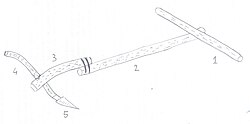
The earliest plows were simple wooden tools pulled by oxen, revolutionizing soil preparation.
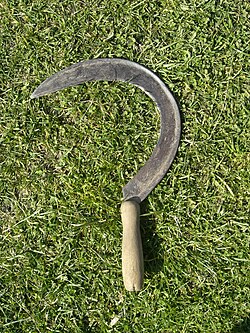
Curved blades used for harvesting grain, with flint versions dating back to the Neolithic.
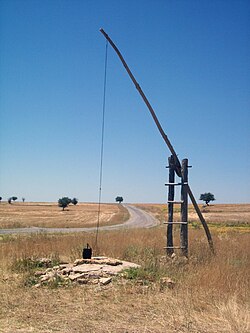
Early irrigation tool consisting of a bucket on a lever, used to lift water from rivers.
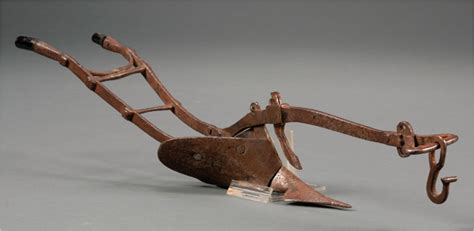
The ard plow, also known as a scratch plow, is a simple agricultural tool that breaks up the soil without turning it over, creating shallow furrows. It was commonly used in ancient times and is typically pulled by animals, making it effective for tilling light soils like loams or sands.
A sickle is a hand-held agricultural tool with a curved blade, primarily used for harvesting crops like grain and grass. It has been in use for thousands of years and is known for its simplicity and effectiveness in cutting vegetation.
A shadoof is a traditional irrigation tool used to lift water from a well or other water source for agricultural purposes. It consists of a long counterbalanced pole with a bucket at one end, allowing for efficient water retrieval, and has been in use since around 3000 BCE. Wikipedia Encyclopedia Britannica
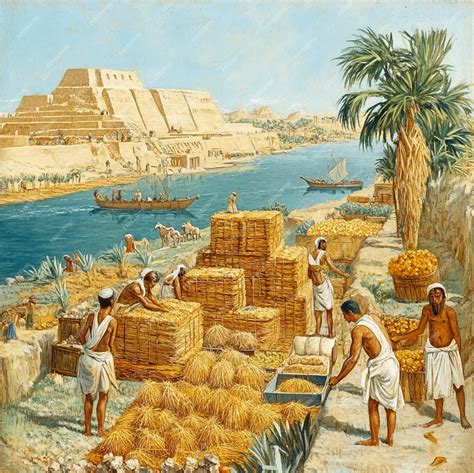
The cradle of agriculture, where wheat, barley, peas and lentils were first domesticated between 10,000-8,000 BCE.
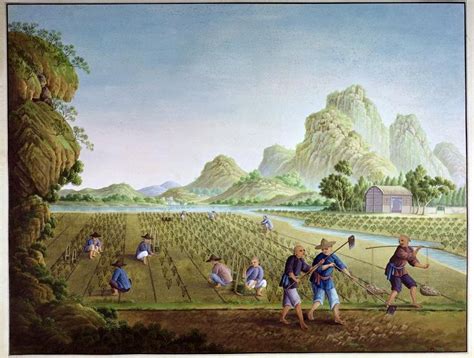
Independent development of rice and millet agriculture along the Yellow and Yangtze rivers (~8000 BCE).
Domesticated maize, beans, and squash in the "Three Sisters" agricultural system (~6000 BCE).
Relied on Nile flooding for wheat, barley, and flax cultivation (~5000 BCE).
Ancient farming has been a significant subject in art, often depicted in scenes of agriculture, such as harvesting and planting. These representations can be found in various cultures, including Egyptian tomb paintings and Greek mosaics, highlighting the importance of agriculture in sustaining civilizations and shaping their societies.
Egyptian harvesting scene
Roman plow replica
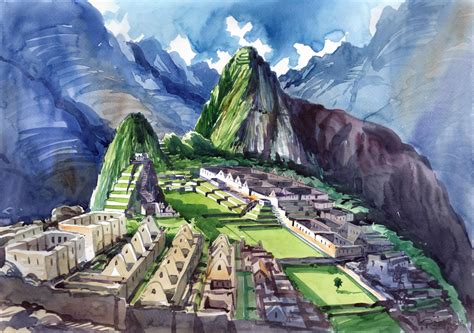
Incan terraces at Machu Picchu
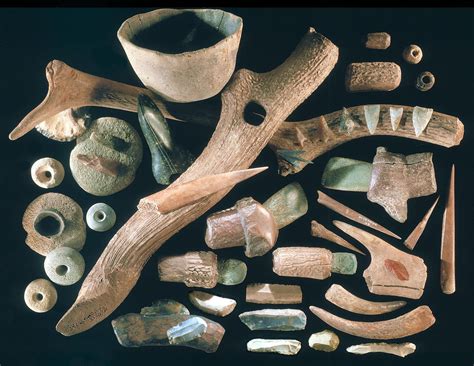
Neolithic stone tools
Chinese rice farming painting
Early Mesopotamian farm reconstruction
Agricultural history explores the development of farming practices and their impact on human societies, beginning around 12,000 years ago with the transition from hunter-gatherer lifestyles to settled agriculture. This shift led to the rise of villages, cities, and complex civilizations, fundamentally changing social structures and economies worldwide
Subscribe to our newsletter for monthly insights into ancient farming techniques and discoveries.
Articles will be posted to this site as well.
We respect your privacy. Unsubscribe at any time.